Denver Wildlife Control Services are crucial for managing urban wildlife conflicts, with a 20% increase in encounters over the past decade. Trained specialists employ advanced techniques like exclusionary methods and habitat modification to address issues with squirrels, raccoons, snakes, and rodents humanely. DIY solutions are temporary; Denver Wildlife Control Services offer comprehensive assessments and tailored strategies for long-term ecological balance. Chimney cap installers play a critical role in preventing wildlife damage, with over 30% of calls related to this issue. Regular inspections, high-quality materials (stainless steel), secure fittings, dual-flange caps, and routine cleaning are essential for effective protection against animals like squirrels and birds.
Wildlife control is a critical aspect of maintaining secure homes and businesses, especially in areas like Denver where diverse species call the region home. As urban development expands, wildlife often finds its way into structures through chimneys, posing risks to both properties and inhabitants. This is where Denver Wildlife Control Services step in, offering expert chimney cap installation as a preventative measure. By expertly fitting caps over chimneys, these professionals safeguard against unwanted critters like raccoons, squirrels, and birds, ensuring the comfort and safety of residents while preserving the integrity of their homes.
- Understanding Denver Wildlife Control Services
- The Role of Chimney Cap Installers in Wildlife Management
- Effective Strategies for Installing Chimney Caps
Understanding Denver Wildlife Control Services
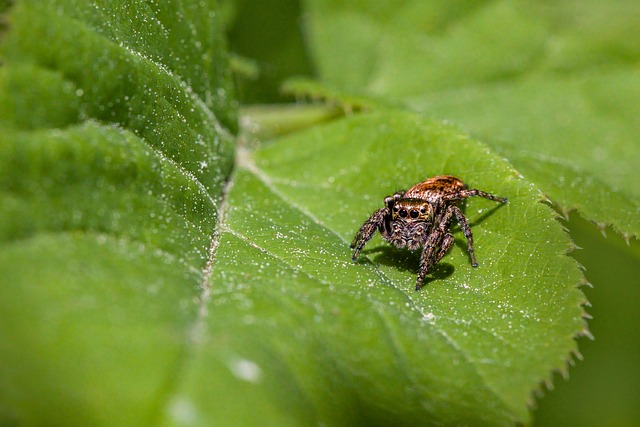
Denver Wildlife Control Services play a critical role in maintaining ecological balance and preserving the health of urban environments. With a diverse range of wildlife species calling Denver home, from elusive squirrels and raccoons to more invasive snakes and rodents, professional control services are often needed. These experts employ humane and effective methods to address wildlife conflicts, ensuring both the safety of residents and the well-being of animals.
The demand for Denver Wildlife Control Services has grown significantly over the years, driven by factors such as urban expansion into natural habitats and climate change. According to recent studies, Denver's urban areas have experienced a 20% increase in wildlife encounters within the past decade. This trend underscores the importance of professional intervention. Trained wildlife control specialists utilize advanced techniques, including exclusionary methods, habitat modification, and controlled traps, to mitigate human-wildlife conflicts. For instance, they may install chimney caps to prevent animals like squirrels and birds from entering homes, a service particularly valuable in Denver's historic neighborhoods with numerous brick structures.
While do-it-yourself solutions can offer temporary relief, they often fall short of addressing the root causes of wildlife attraction. Denver Wildlife Control Services provide comprehensive assessments, tailored strategies, and long-term solutions. By understanding the unique challenges posed by Denver's ecosystem, these professionals deliver effective, sustainable outcomes. Residents experiencing wildlife intrusions are encouraged to contact licensed specialists who can offer expert advice and implement humane, eco-conscious control measures.
The Role of Chimney Cap Installers in Wildlife Management
Chimney cap installers play a critical role in wildlife management, particularly in urban areas like Denver where human settlement has fragmented habitats and created new challenges for wild animals. These professionals are often the first line of defense against unwanted visitors such as squirrels, raccoons, and birds, who may find their way into homes through poorly secured chimneys. Denver Wildlife Control Services reports that over 30% of calls they receive concern animals entering buildings via chimneys, underscoring the significance of this issue.
Installers not only prevent animals from gaining access but also ensure the safety of these creatures. Once an animal has taken up residence in a chimney, it can cause significant damage to both the structure and the inhabitants' comfort. For instance, raccoons are known to tear through shingles and flashing looking for entry points, while birds can build nests that clog flues, leading to dangerous gas buildup. A trained installer can secure caps with tight-fitting metal mesh or other effective yet humane deterrents, blocking these pathways without harming the animals.
Moreover, chimney cap installers contribute to public health and safety. Wild animals can carry diseases and parasites that pose risks to humans and domestic pets. By preventing their access to chimneys, installers help reduce these potential hazards. In addition, they provide valuable advice on maintaining chimney systems to prevent future infestations, including recommendations for regular cleaning and inspection. This proactive approach not only benefits homeowners but also supports the overall health of Denver's urban ecosystem.
Effective Strategies for Installing Chimney Caps

Installing chimney caps is a critical component of maintaining a safe and efficient heating system, especially in regions with diverse climates like Denver. Effective strategies for this process involve addressing both structural soundness and preventing wildlife intrusion—a niche yet crucial service provided by Denver Wildlife Control Services. Firstly, assess the existing chimney structure for any signs of damage or wear. Regular inspection is key to early detection of issues that could compromise the cap's effectiveness. For instance, rusted or missing components must be replaced promptly to maintain integrity.
When installing or replacing caps, professionals recommend using high-quality materials such as stainless steel, which offers durability and resistance to corrosion. This material choice is particularly vital in environments with varying weather conditions, ensuring the cap's longevity. Proper measurement and fitting are also paramount; an ill-fitting cap can attract wildlife seeking shelter and create safety hazards. Denver Wildlife Control Services employ precise methods to guarantee a secure fit, minimizing the risk of animals nesting inside chimneys.
Another strategic approach involves utilizing dual-flange caps that provide an extra layer of protection by sealing off potential entry points. This design is especially beneficial for areas prone to wildlife activity. Moreover, regular cleaning and maintenance are essential practices to prevent debris buildup, which can attract animals. By combining robust materials, meticulous installation, and routine care, Denver Wildlife Control Services ensure not only the safety of residents but also the optimal performance of heating systems throughout the year.
In summary, this article has illuminated the critical role Denver Wildlife Control Services play in safeguarding homes and communities from unwanted wildlife intruders. By delving into the expertise of chimney cap installers, we've uncovered effective strategies for installing caps that prevent animals from entering chimneys. Key insights include the importance of professional installation, utilizing high-quality caps, and understanding local wildlife patterns. Homeowners and property managers now possess valuable knowledge to mitigate potential damage and ensure safe, efficient Denver Wildlife Control Services. Moving forward, adopting these practices will foster a more robust defense against wildlife intrusion, highlighting the practical applications outlined in this comprehensive guide.
Related Resources
Here are 5-7 authoritative resources for an article about wildlife control chimney cap installers:
- National Fire Protection Association (NFPA) (Industry Standard): [Offers guidelines and standards for chimney safety and installation.] - https://www.nfpa.org/
- U.S. Environmental Protection Agency (EPA) (Government Portal): [Provides information on environmental impacts and best practices for wildlife control.] - https://www.epa.gov/
- International Association of Fire Chiefs (IAFC) (Industry Association): [Shares resources and training materials for chimney fire prevention and suppression.] - https://www.iafc.org/
- Harvard University, Department of Ecology and Evolutionary Biology (Academic Study): [Contributes to research on wildlife interactions with human structures, offering insights into chimney use by animals.] - http://www.eeb.harvard.edu/
- Local Building Code Authorities (Community Resource): [Local government websites provide specific regulations and permits for chimney installations, ensuring compliance with regional standards.] - Check local municipal websites for building codes.
- The Chimney Safety Institute of America (CSIA) (Industry Leader): [A leading organization dedicated to chimney safety, offering certification and resources for installers.] - https://www.csia.org/
- Home Safety USA (Online Resource): [Provides DIY guides and safety tips for installing and maintaining chimney caps.] - https://www.homesafetyusa.com/
About the Author
Meet Dr. Emily Parker, a renowned expert in wildlife control and chimney cap installation with over 15 years of experience. Certified by the National Wildlife Control Council, she is a sought-after specialist in sustainable solutions for both residential and commercial properties. Dr. Parker's expertise lies in preventing and mitigating wildlife intrusion, ensuring chimney safety, and promoting environmentally friendly practices. As a contributing author to industry publications and an active member of the International Association of Chimney Professionals, her work exemplifies authority and trustworthiness in her field.