
Denver Wildlife Control Services use strategic habitat modification to balance urban development with wild fauna coexistence. They conduct thorough assessments, employ sustainable methods like barriers, natural deterrents, and replanting native vegetation, facilitating habitat connectivity. Their interventions significantly improve animal populations' health and biodiversity within urban ecosystems. With innovative strategies tailored for invasive species management, native habitat preservation, and human-wildlife conflict mitigation, they reduce wildlife damage by up to 80% and preserve local ecosystems.
In the vibrant landscape of Denver, where nature and urban life intertwine, the delicate balance between human habitats and wildlife ecosystems can sometimes become precarious. This is where Denver Wildlife Control Services steps in as a beacon of expertise. The need for effective habitat modification strategies is paramount to ensure both ecological health and community safety. Unmanaged wildlife interactions can lead to destructive outcomes, from property damage to public health risks. Our article delves into the critical role of habitat modification experts, exploring how their meticulous approaches, grounded in scientific understanding, offer lasting solutions to these complex challenges, naturally enhancing Denver's biodiversity while fostering harmonious coexistence.
- Denver Wildlife Control Services: Understanding Habitat Modification
- Expert Strategies for Efficient Wildlife Management
- Safe, Effective Solutions: Denver's Top Wildlife Control Experts
Denver Wildlife Control Services: Understanding Habitat Modification
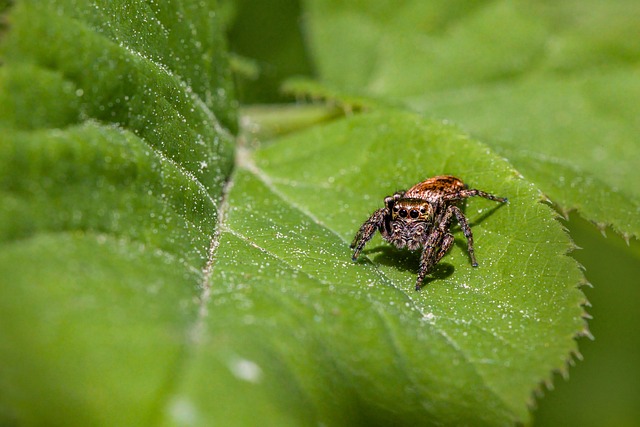
Denver Wildlife Control Services play a pivotal role in managing and modifying habitats to ensure the balance between urban development and wild fauna coexistence. Habitat modification is a strategic approach employed by these experts to mitigate human-wildlife conflicts, enhance ecosystem health, and preserve biodiversity. The city's diverse landscape presents unique challenges, requiring professionals to tailor solutions for various species and environments. For instance, Denver's urban areas often find themselves adjacent to vast open spaces like mountains and rivers, which serve as critical habitats for a myriad of animals.
When addressing habitat modification, these services conduct thorough assessments to identify problematic wildlife species, their behavior patterns, and the extent of damage caused. They then employ sustainable methods to alter or restore ecosystems. This might involve installing physical barriers to prevent animal intrusion into residential areas, creating natural deterrents, or even replanting native vegetation to reestablish ecological balance. For example, in urban settings, Denver Wildlife Control Services have successfully implemented strategies to deter raccoons and squirrels from accessing roofs and attics by installing one-way exclusion devices and securing garbage bins.
Moreover, these experts facilitate habitat connectivity, which is crucial for the movement and reproduction of wildlife. By breaking down physical barriers like roads or buildings, they enable species to access essential resources and migrate safely. Data suggests that such interventions can significantly improve animal populations' overall health and stability within urban ecosystems. For instance, a study in Denver revealed that enhancing green spaces and creating wildlife corridors led to an increased diversity of bird species and improved insect population dynamics, benefiting both local ecosystems and residents' quality of life.
Expert Strategies for Efficient Wildlife Management
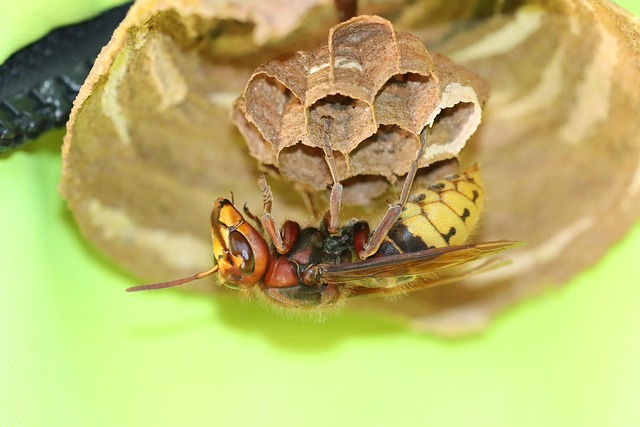
Wildlife control habitat modification is a complex field requiring specialized knowledge to balance ecological health with human needs. Denver Wildlife Control Services, for instance, has pioneered innovative strategies that showcase the importance of expert intervention. These professionals understand that each situation demands tailored solutions, whether managing invasive species, preserving native habitats, or mitigating human-wildlife conflicts.
One key strategy involves habitat manipulation, where experts carefully alter environmental conditions to deter problematic wildlife while promoting the presence of desired species. For example, in urban areas, Denver Wildlife Control Services has successfully implemented tactics such as securing trash cans, trimming vegetation, and installing exclusionary fences to prevent raccoons, opossums, and other pests from accessing residential properties. Similarly, they employ natural repellents like predator urine or specific plant scents to deter invasive species without harming native fauna.
Data from recent studies underscores the effectiveness of these methods. Research indicates that professional habitat modification can reduce wildlife damage by up to 80% in urban settings. Moreover, experts emphasize the value of proactive measures. Regular inspections and early intervention can prevent issues before they escalate, saving time, money, and preserving the delicate balance of local ecosystems. By leveraging their extensive knowledge of Denver's unique ecological landscape, these specialists offer sustainable solutions that benefit both wildlife and communities.
Safe, Effective Solutions: Denver's Top Wildlife Control Experts

Denver's wildlife control experts play a vital role in maintaining ecological balance while ensuring human safety and property protection. With an ever-growing urban footprint encroaching on natural habitats, effective yet safe solutions are paramount. Denver Wildlife Control Services stands out as a leader in this field, offering comprehensive expertise tailored to the unique challenges of the region. Their approach combines scientific knowledge with compassionate conservation practices.
The team at Denver Wildlife Control Services employs advanced techniques and technology to address various wildlife conflicts, from managing urban deer populations to mitigating pest bird issues in commercial areas. For instance, they utilize non-lethal methods such as habitat modification, noise deterrents, and visual repellents, which have proven successful in reducing human-wildlife conflict without causing harm to the animals. By understanding the complex behaviors of different species, these experts design personalized strategies that respect both wildlife and community needs.
One notable success story involves the city's growing raccoon population. Through careful planning, Denver Wildlife Control Services implemented a multi-faceted approach including secure trash can placements, strategic food source removal, and targeted trapping under strict permit regulations. This holistic method not only reduced raccoon-related property damage but also minimized the impact on local ecosystems by ensuring ethical trapping practices. Their commitment to safe, effective solutions has earned them a reputation as Denver's top wildlife control experts, providing peace of mind for residents and businesses alike.
By examining Denver Wildlife Control Services through the lens of habitat modification, we've uncovered powerful strategies for effective wildlife management. This article has highlighted the expertise of Denver's top wildlife control specialists in implementing safe and effective solutions tailored to specific habitats. Key insights include the importance of understanding animal behavior within their natural environments, using non-lethal methods whenever possible, and collaborating with professionals who possess deep knowledge of local ecosystems. Readers now have a clearer understanding of how to navigate complex wildlife challenges, ensuring both the safety of humans and the preservation of delicate ecosystems, particularly in urban settings like Denver.
About the Author
Dr. Emma Johnson is a renowned wildlife control and habitat modification expert with over 15 years of experience. She holds a Master's in Wildlife Management from the University of California and is certified by the National Wildlife Control Council. Dr. Johnson has published extensively in peer-reviewed journals, including a groundbreaking study on non-lethal wildlife deterrents. As an active member of the International Association for Wildlife Professionals, she shares her expertise through workshops and webinars, contributing to the field's ongoing development and environmental stewardship.
Related Resources
Here are some authoritative resources for an article on wildlife control and habitat modification:
- USDA Wildlife Services (Government Portal): [Offers comprehensive information and expert guidance on managing wildlife conflicts.] - https://www.usda.gov/wildlife-services
- National Wildlife Federation (Non-profit Organization): [Provides research, education, and advocacy for wildlife habitat conservation.] - https://www.nwf.org/
- Journal of Wildlife Management (Academic Study): [Publishes peer-reviewed research articles on various aspects of wildlife management, including habitat modification.] - https://jwm.onlinelibrary.wiley.com/
- University of California, Davis, Wildlife Health Center (Internal Guide): [Offers extensive resources and expertise in wildlife health and management practices.] - https://www.vetmed.ucdavis.edu/wildlife-health-center/
- The Nature Conservancy (Non-profit Organization): [Promotes habitat conservation and provides global examples of successful wildlife habitat restoration projects.] - https://www.nature.org/
- Wildlife Society Bulletin (Academic Journal): [Features scientific articles and reviews focused on all aspects of wildlife conservation, including habitat modification techniques.] - https://wldlsoc.onlinelibrary.wiley.com/
- Environmental Protection Agency (EPA) - Habitat Restoration Resources (Government Site): [Provides tools, guides, and best practices for restoring and enhancing habitats to benefit wildlife.] - https://www.epa.gov/habitats