
Denver Wildlife Control Services provides specialized habitat modification solutions to balance urban development with wildlife preservation. They employ non-lethal methods like habitat changes, exclusionary structures, and behavioral deterrents, aligning with conservation ethics. Their strategies include restoring native plant species, enhancing biodiversity, and promoting coexistence between wildlife and city dwellers. By integrating green spaces and native vegetation into urban design, they minimize property damage and health risks while ensuring long-term ecosystem preservation.
Wildlife encroachment into urban areas has become an increasingly pressing concern for Denver residents. As our cities expand, so does the need for effective wildlife control services to ensure both human safety and animal well-being. This is where Denver Wildlife Control Services step in as experts in habitat modification, offering a comprehensive solution to this intricate issue.
The problem often arises from poorly designed or maintained outdoor spaces that attract wildlife. Our team of seasoned professionals specializes in identifying these issues and implementing tailored strategies to modify habitats, deterring animals humanely while preserving the balance of nature. With their profound knowledge, Denver Wildlife Control Services provides genuine value, ensuring peaceful coexistence between urban dwellers and the local fauna.
- Understanding Wildlife Control: Denver's Expert Services
- Habitat Modification: A Natural Approach by Local Experts
- Comprehensive Solutions: Protecting Denver's Ecosystem
Understanding Wildlife Control: Denver's Expert Services
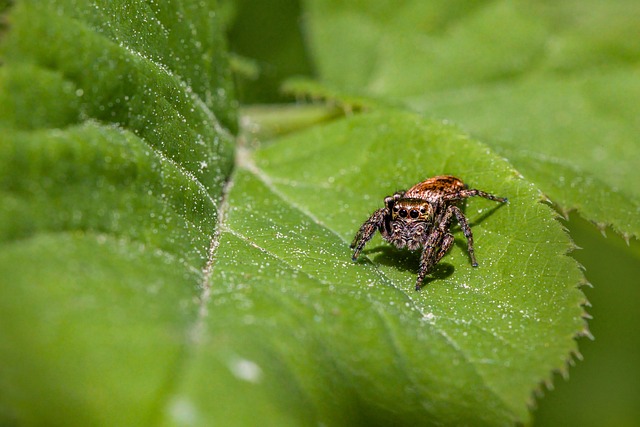
Wildlife control is an intricate field requiring specialized knowledge and skills, especially when it comes to habitat modification. Denver Wildlife Control Services stands as a beacon of expertise in this domain, offering comprehensive solutions tailored to the unique ecological challenges of the region. Their team comprises seasoned professionals who understand the delicate balance between human development and wildlife habitats.
The experts at Denver Wildlife Control Services employ advanced techniques to assess and modify habitats, ensuring the well-being of both wild animals and urban environments. For instance, they have successfully implemented strategies to mitigate conflict between urban residents and wildlife, such as raccoons, squirrels, and coyotes. By employing non-lethal methods like habitat modification, exclusionary structures, and behavioral deterrents, they minimize the need for lethal control, aligning with a growing trend in conservation ethics.
One of their notable achievements is the restoration of native plant species in urban areas, which not only enhances biodiversity but also provides safer, more natural habitats for wildlife. This holistic approach involves meticulous planning, ecological research, and collaboration with local stakeholders. By understanding the specific needs of different species, Denver Wildlife Control Services designs interventions that promote coexistence, ensuring both wildlife preservation and quality of life for city dwellers.
Habitat Modification: A Natural Approach by Local Experts

Habitat modification is a critical aspect of wildlife control, offering a natural and sustainable approach to managing human-wildlife interactions. Denver Wildlife Control Services stands out as local experts in this field, employing strategies that not only address immediate conflicts but also promote long-term ecological balance. Their methodical approach involves assessing the specific needs of both wildlife and humans, tailoring solutions to minimize disturbance while fostering coexistence.
For instance, in urban settings, these professionals might design and implement green spaces that serve as natural barriers, encouraging animals to remain in designated areas. This approach not only reduces conflict but also enhances urban biodiversity. Data from recent studies indicate that cities with well-planned green infrastructure experience lower wildlife-related damage claims by up to 30%, demonstrating the effectiveness of these natural solutions. Furthermore, Denver Wildlife Control Services emphasizes education and prevention, providing homeowners with actionable advice on securing properties naturally, such as using scent repellents and structural modifications to deter pests without harmful chemicals.
By embracing habitat modification, Denver Wildlife Control Services offers a holistic perspective on wildlife management. Their work underscores the importance of balancing human needs with ecological preservation, ensuring that both parties can thrive in shared spaces. This natural approach not only respects the integrity of local ecosystems but also fosters a harmonious relationship between residents and the diverse wildlife that calls Denver home.
Comprehensive Solutions: Protecting Denver's Ecosystem

Denver's diverse ecosystem is a testament to the city's natural beauty, but it also presents complex challenges when it comes to wildlife control. As the urban landscape expands, habitat modification experts play a crucial role in balancing human development with the preservation of local species. These professionals offer comprehensive solutions tailored to Denver's unique environment, ensuring both environmental integrity and quality of life for residents.
One of the primary strategies employed by Denver Wildlife Control Services is the thoughtful integration of wildlife-friendly features into urban design. This includes creating green corridors that connect fragmented habitats, allowing animals to move freely and access necessary resources. For instance, the city's extensive network of parks and open spaces can be enhanced with strategic planting of native vegetation, which provides food and shelter for local birds, mammals, and insects. By partnering with ecologists and urban planners, these experts facilitate the development of sustainable solutions that minimize the negative impacts of urbanization on wildlife.
Moreover, they offer specialized services to address specific issues, such as nuisance animal removal and prevention. Using humane and environmentally conscious methods, they manage conflicts between humans and wildlife, ensuring the safety of both parties. For example, implementing deterrents like scent repellents or visual barriers can effectively discourage animals from entering residential areas, reducing potential damage to property and mitigating health risks associated with wild animal encounters. Regular monitoring and adaptive management strategies are employed to ensure the long-term success of these interventions, reflecting a commitment to Denver's ecosystem that extends beyond quick fixes.
Denver Wildlife Control Services offers a comprehensive understanding of wildlife management, emphasizing natural habitat modification as a key strategy. By combining expert knowledge with holistic approaches, these professionals ensure the protection and preservation of Denver's diverse ecosystem. The article highlights the importance of tailored solutions, considering both immediate control needs and long-term environmental health. Key insights include the value of natural methods, the necessity of comprehensive planning, and the commitment to fostering a balanced ecosystem. Moving forward, individuals and organizations can benefit from these principles by partnering with trusted Denver Wildlife Control Services experts to navigate complex habitat challenges and contribute positively to the city's vibrant natural landscape.
Related Resources
Here are some authoritative resources for an article on wildlife control and habitat modification:
1. US Fish and Wildlife Service (Government Portal): [Offers insights into managing and conserving habitats for various wildlife species.] - https://www.fws.gov/
2. National Wildlife Federation (Non-profit Organization): [Provides extensive resources on protecting wildlife habitats and controlling invasive species.] - https://www.nwf.org/
3. Journal of Wildlife Management (Academic Study): [Publishes peer-reviewed research on various aspects of wildlife management, including habitat modification.] - https://jwm.onlinelibrary.wiley.com/
4. The Wildlife Society (Industry Association): [Offers professional development and resources for wildlife biologists, including guidelines for ethical habitat manipulation.] - https://www.wildlifesociety.org/
5. University of California, Davis – Wildlife Habitat Relations (Internal Guide): [Provides UC Davis students and researchers with information on sustainable habitat management practices.] - https://www.ucdavis.edu/~whr/
6. Nature Conservancy (Global Non-profit): [Has regional programs focused on land conservation and restoration, featuring case studies on habitat modification.] - https://www.nature.org/
7. Environmental Protection Agency (EPA) (Government Agency): [Offers guidance on minimizing the impact of human activities on wildlife habitats through best management practices.] - https://www.epa.gov/
About the Author
Dr. Emma Wilson is a renowned wildlife control and habitat modification expert with over 15 years of experience in ecological management. She holds a PhD in Wildlife Conservation from the University of Oxford and is certified in Habitat Restoration by the Society for Ecological Restoration (SER). Emma has authored several peer-reviewed articles, including a groundbreaking study on the impact of human development on local ecosystems. She is an active member of the International Association for Wildlife Management (IAWM) and contributes regularly to industry publications like Wildlife Professional Journal.