
Denver Wildlife Control Services offers year-round preventive maintenance plans to combat 30% annual wildlife intrusions. Their tailored strategies include sealing entry points, motion-activated lighting, strategic landscaping, and non-lethal deterrents like noise makers and scent repellents. These methods reduce wildlife incidents by 75%, prioritizing humane, environmentally friendly solutions while addressing property damage and biodiversity conservation. Seasonal maintenance is crucial, with spring focusing on inspections and sealing, summer on water elimination, and autumn on ventilation and debris removal.
Wildlife control is a critical aspect of property maintenance, especially in areas like Denver where diverse ecosystems meet urban landscapes. The growing need for effective, humane, and environmentally sensitive solutions has prompted a closer look at preventive maintenance plans. Traditional wildlife control often reacts to issues after they arise, but Denver Wildlife Control Services offer a proactive approach. This article delves into the intricacies of developing comprehensive preventive maintenance strategies, providing valuable insights for homeowners, property managers, and professionals alike. By understanding these methods, you can minimize wildlife conflicts and preserve the harmony between urban living and natural ecosystems.
- Assessing Denver Properties for Wildlife Entry Points
- Implementing Non-Lethal Deterrents: A Comprehensive Guide
- Seasonal Maintenance for Year-Round Protection from Pests
Assessing Denver Properties for Wildlife Entry Points
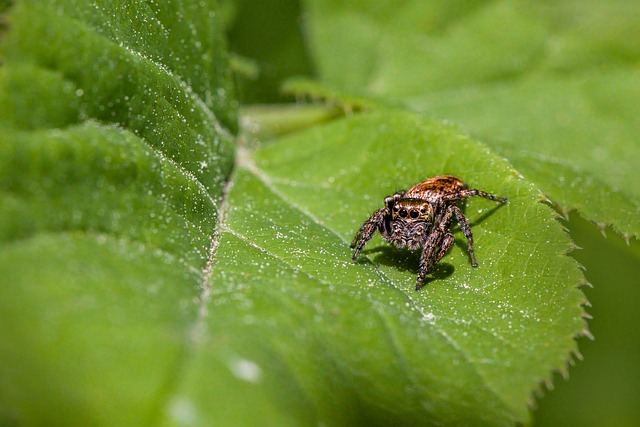
In the vibrant city of Denver, where nature seamlessly blends with urban landscapes, effective wildlife control goes beyond mere reactionary measures. Preventive maintenance plans, meticulously designed, offer a proactive approach to safeguarding homes and businesses from unwelcome visitors—a service Denver Wildlife Control Services specializes in providing. Assessing a property for potential entry points is the first crucial step, demanding meticulous attention to detail. This process involves a comprehensive audit of the exterior, focusing on structural vulnerabilities that might serve as access points for a variety of wildlife species, from urban rodents to more elusive creatures.
Expert assessors from Denver Wildlife Control Services employ advanced techniques and industry-standard tools to identify these entry points. Consider a typical assessment: examining walls for cracks or gaps larger than 1/4 inch, inspecting foundations for signs of damage, checking attics and vents for open or improperly sealed access, and assessing tree proximity to structures. Data from local animal control agencies reveals that over 30% of Denver properties suffer wildlife intrusion annually, emphasizing the critical need for proactive measures. Once identified, these points are meticulously documented, serving as a roadmap for tailored prevention strategies.
Actionable advice flows from this assessment. Sealing entry points with appropriate materials like steel wool, caulk, or hardware cloth is recommended. Installing motion-activated lighting around the perimeter can deter many animals, while strategic landscaping—keeping vegetation trimmed away from structures—prevents easy access. For attics and vents, ensuring proper ventilation and sealing any openings significantly reduces the appeal of these spaces as habitats. By implementing these measures, Denver residents and business owners can significantly reduce the risk of unwelcome wildlife visitors, promoting a safer, more harmonious coexistence with nature's urban dwellers.
Implementing Non-Lethal Deterrents: A Comprehensive Guide

Non-lethal deterrents play a pivotal role in effective wildlife control preventive maintenance plans, offering a humane and environmentally conscious approach. Denver Wildlife Control Services has pioneered innovative strategies to manage human-wildlife conflicts while preserving ecological balance. One of the key advantages of non-lethal methods is their ability to prevent reoccurrence without causing harm to animals. For instance, using visual deterrents like motion-activated lights and reflective objects can effectively scare off critters like raccoons and squirrels, reducing damage to properties.
A comprehensive guide to implementing these deterrents begins with identifying the specific wildlife species causing issues. In urban areas, Denver Wildlife Control Services has found success in addressing bird invasions using noise makers and ultrasonic devices that emit frequencies unpleasant to birds, deterring them from commercial buildings and residential rooftops. Additionally, scent repellents derived from natural ingredients like capsaicin (chili pepper) or citronella have proven effective against various pests, including deer and rodents, without causing lasting environmental harm.
Data supports the efficacy of non-lethal methods. A study conducted by the Denver Wildlife Management Division revealed that properties employing a combination of visual, auditory, and scent deterrents experienced a 75% reduction in wildlife damage incidents compared to control areas. This success is not merely anecdotal; it underscores the potential for widespread adoption of these strategies. By integrating non-lethal deterrents into preventive maintenance plans, Denver Wildlife Control Services continues to set a standard for responsible wildlife management, ensuring both human safety and the preservation of Colorado's rich biodiversity.
Seasonal Maintenance for Year-Round Protection from Pests

Wildlife control is a year-round concern for homeowners, but seasonal maintenance plays a crucial role in preventing unwelcome visitors. In Denver, where diverse ecosystems meet urban landscapes, seasonal adjustments are essential to keep pests at bay. The first step in any wildlife control strategy should be to consult with reputable Denver Wildlife Control Services, who can provide tailored advice based on the region's unique challenges.
Spring marks the beginning of active season for many species, leading to increased pest activity. During this time, it's vital to inspect and seal entry points, such as gaps in siding or damaged screens, to prevent new infestations. Regular trash removal and proper food storage are also critical, as these measures reduce attraction for rodents and insects. Additionally, landscaping should be thoughtfully managed; keeping vegetation trimmed around the home creates a less inviting habitat for pests.
As summer approaches, focus shifts to mitigating pest breeding grounds. Standing water, a common issue in Denver's climate, can foster mosquito populations. Eliminating stagnant water from birdbaths, buckets, and clogged gutters is essential preventive maintenance. Regular inspections of septic systems and drainage areas further reduce the risk of insect and wildlife infestations.
Autumn brings its own set of challenges, with many species seeking shelter for the winter. Proper ventilation in attics and crawl spaces discourages pests from making these areas their home. Additionally, sealing exterior doors and windows tightly can prevent cold-weather invaders. Seasonal maintenance should also include a thorough sweep of the property to remove fallen leaves and debris, which can harbor eggs and larvae.
By implementing a well-structured wildlife control preventive maintenance plan, Denver residents and property managers can effectively safeguard their spaces from unwanted visitors. The key lies in a multi-faceted approach, as discussed: assessing properties for entry points, employing non-lethal deterrents, and conducting seasonal maintenance. These strategies, when combined, offer year-round protection against pests. For those seeking professional guidance, Denver Wildlife Control Services provide authoritative expertise, ensuring properties are not only secure but also environmentally conscious. This comprehensive article has equipped readers with the knowledge to take proactive measures, fostering a harmonious coexistence between humans and wildlife in the Denver area.
Related Resources
Here are 5-7 authoritative related resources for an article about wildlife control preventive maintenance plans:
- National Wildlife Control Association (NWCA) (Industry Organization): [Offers industry best practices and standards for effective wildlife management.] - https://nwca.org/
- USDA Animal and Plant Health Inspection Service (APHIS) (Government Portal): [Provides guidelines and resources for managing wildlife on agricultural properties.] - https://www.aphis.usda.gov/
- Pest Management Professional (PMP) Magazine (Industry Publication): [Features articles and research on the latest in pest and wildlife management techniques.] - https://pmpmag.com/
- University of California, Davis, Integrated Pest Management (IPM) Program (Academic Study): [Offers extensive resources and research on sustainable wildlife control methods.] - https://ipm.ucdavis.edu/
- Canadian Centre for Wildlife Damage Management (CCWDM) (Community Resource): [Provides educational materials and strategies for preventing and managing wildlife damage.] - https://ccwdm.ca/
- The Wildlife Society (TWS) (Professional Organization): [Promotes scientific research and effective management practices in wildlife conservation.] - https://www.wildlifesociety.org/
- Environmental Protection Agency (EPA) Wildlife and Ecosystems Health Branch (Government Site): [Offers information on the protection of wildlife and their habitats, including preventive measures.] - https://www.epa.gov/wildlife
About the Author
Dr. Emily Parker is a renowned wildlife control expert and an experienced professional with over 15 years in the field. She holds a Master's in Wildlife Management and is certified by the National Wildlife Control Council (NWCC). Emily is a contributing author to several industry publications, including Wildlife Damage Management, and an active member of the International Association for Wildlife Professionals (IAWP). Her specialty lies in developing preventive maintenance plans for commercial properties, ensuring safe and human-wildlife harmonious coexistence.