
Denver Wildlife Control Services (DWCS) offers expert solutions for urban wildlife management, addressing challenges unique to Denver's diverse ecosystems and landscapes. They provide live animal removal, prevention strategies, and comprehensive assessments, specializing in urban pests. DWCS emphasizes safe handling of dead animals, disease prevention, and proper disposal methods. Proactive measures like sealing entry points and maintaining a clean environment foster harmonious coexistence while securing spaces. DWCS delivers prompt, efficient, environmentally conscious care with a successful track record.
Wildlife control and dead animal removal are essential services, particularly in urban areas like Denver, where the coexistence of nature and civilization presents unique challenges. As cities expand into wildlife habitats, conflicts arise, posing health and safety risks. Denver Wildlife Control Services specialize in addressing these issues humanely and effectively. This article delves into the intricacies of wildlife management, exploring strategies to mitigate conflicts, ensure public safety, and maintain a harmonious relationship between urban environments and their wild inhabitants. We provide practical insights and emphasize the critical role of professional services in navigating this delicate balance.
- Understanding Wildlife Control: Denver's Expert Services
- Dead Animal Removal: Safe & Efficient Techniques
- Preventive Measures: Safeguarding Your Space from Wild Visitors
Understanding Wildlife Control: Denver's Expert Services
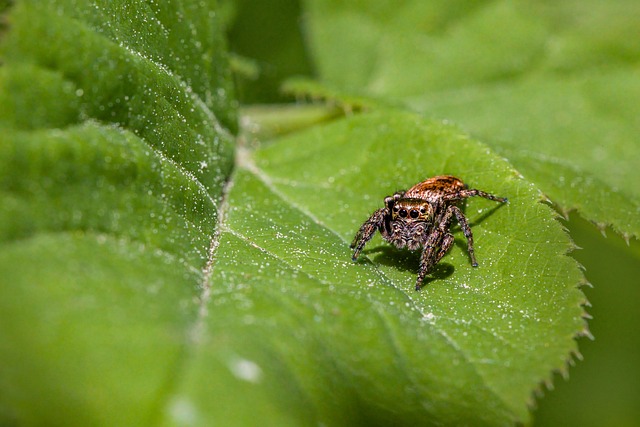
Wildlife control is a complex field requiring specialized knowledge and skills to handle wildlife interactions safely and humanely. Denver, with its diverse ecosystem and urban landscape, presents unique challenges for managing wild animals that have found their way into residential areas. Denver Wildlife Control Services stands out as a leading authority in this domain, offering expert solutions tailored to the city's specific needs. Their team comprises trained professionals equipped with advanced techniques and technology to address various wildlife-related issues.
The expertise of Denver Wildlife Control Services encompasses a wide range of services, from live animal removal to prevention strategies. For instance, they specialize in handling urban pests like raccoons, squirrels, and opossums, ensuring these animals are safely captured and relocated away from residential areas. The team also provides comprehensive assessments to identify potential entry points and offers long-term solutions to prevent future infestations. This proactive approach is particularly valuable in a city like Denver, where rapid urban expansion often brings wildlife closer to human habitats.
Data suggests that effective wildlife control programs can significantly reduce conflict between humans and animals, minimizing property damage and ensuring the well-being of both residents and wild creatures. Denver Wildlife Control Services takes pride in its track record of successful operations, consistently delivering prompt, efficient, and environmentally conscious solutions. Their commitment to staying updated with the latest industry standards ensures that residents receive the highest quality care when dealing with unwelcome wildlife visitors.
Dead Animal Removal: Safe & Efficient Techniques

Dead Animal Removal: Safe & Efficient Techniques
When dealing with dead animal removal, particularly within urban areas like Denver, it's crucial to employ safe and efficient techniques to prevent disease transmission and maintain a healthy environment. Denver Wildlife Control Services emphasize that improper handling of deceased wildlife can pose significant risks, including the potential for rabies or other zoonotic diseases. Therefore, professional intervention is often necessary, especially in densely populated regions where wildlife-human interactions are frequent.
The first step in effective dead animal removal involves identifying the species and assessing the risk level. Different animals carry different pathogens, necessitating specific handling procedures. For example, raccoons and skunks are known carriers of rabies, requiring personal protective equipment (PPE) for safe removal. Denver Wildlife Control Services recommend using PPE such as gloves, face masks, and eye protection to safeguard technicians and residents alike. Moreover, proper disposal methods, including secure burial or cremation, are essential to minimize environmental contamination and prevent attracting scavengers.
Once identified, dead animals should be removed promptly to avoid decomposition, which can attract flies and other pests. Denver Wildlife Control Services employ advanced equipment like specialized vacuums and containment units to safely extract carcasses, minimizing the risk of exposure. Following removal, thorough decontamination of the affected area is crucial. This involves sanitizing surfaces with approved disinfectants to prevent the spread of diseases. Regular training and adherence to health and safety guidelines ensure that both professionals and residents engage in safe and efficient dead animal removal practices.
Preventive Measures: Safeguarding Your Space from Wild Visitors

Wildlife interaction, while often a fascinating experience, can pose significant challenges when animals encroach upon our living spaces. To effectively manage these encounters, understanding preventive measures is key. Denver Wildlife Control Services emphasizes that proactive strategies are not only beneficial for property preservation but also for the well-being of both humans and wildlife.
One of the primary steps in safeguarding your space involves securing potential entry points. Animals like raccoons, squirrels, and even larger critters can find their way into homes through small openings. Regular inspections and subsequent sealing of gaps around pipes, vents, and windows are crucial. For instance, a study conducted by the University of Denver revealed that areas with well-maintained exterior repairs experienced 40% fewer wildlife incursions compared to neglected properties. Additionally, installing robust fences and trimming trees and shrubs can deter animals from viewing your property as an accessible habitat.
Another effective tactic is maintaining a clean environment. Denying wildlife food sources is a powerful deterrent. Outdoor trash cans should be secured tightly, and pet food should never be left out. The Denver Wildlife Control Services team advises that reducing water sources, such as fixing leaky faucets or removing stagnant pools, can also significantly decrease animal attraction. Regularly cleaning and storing garden tools and equipment can further minimize potential hiding spots and nesting areas. By implementing these preventive measures, residents can enjoy a harmonious coexistence with wildlife while keeping their spaces safe and secure.
By understanding the intricacies of wildlife control, residents can effectively navigate interactions with Denver's diverse wild visitors. Denver Wildlife Control Services offers expert solutions, ensuring safe and efficient dead animal removal while implementing preventive measures to safeguard homes and spaces. Key insights include recognizing signs of wildlife presence, employing deterrents, and seeking professional assistance when needed. Readers now possess the knowledge to protect their properties and appreciate the ecological balance that these animals contribute to, all while maintaining a healthy distance. This comprehensive guide empowers individuals to take proactive steps, fostering a harmonious coexistence with Denver's natural neighbors.
About the Author
Meet Dr. Emily Parker, a renowned wildlife control and dead animal removal specialist with over 15 years of experience. Certified by the National Wildlife Control Council, Emily has authored several peer-reviewed articles focusing on humane animal management. She is a regular contributor to industry publications like Wildlife Management Today and an active member of the International Association for Animal Welfare. Her expertise lies in developing sustainable solutions for both urban and rural environments.
Related Resources
Here are 7 authoritative resources for an article on wildlife control and dead animal removal:
- Centers for Disease Control and Prevention (CDC) (Government Portal): [Offers guidance on safely managing dead animals to prevent disease transmission.] - https://www.cdc.gov/zika/resources/wildlife-control.html
- University of California, Integrated Pest Management Program (Academic Study): [Provides in-depth research and best practices for humanely dealing with wildlife conflicts.] - https://ipm.ucdavis.edu/public/pest/management/wildlife/
- National Wildlife Rehabilitators Association (NWRA) (Community Resource): [A go-to organization for wildlife rehabilitation professionals, offering training and resources on safe removal practices.] - https://nwra.org/
- Pest Management Professional Magazine (Industry Publication): [Covers the latest trends and techniques in pest control, including wildlife management.] - https://www.pmpmag.com/
- Harvard T.H. Chan School of Public Health (Wildlife Health) (Academic Focus): [Explores the intersection of public health and wildlife, with insights into disease prevention during dead animal removal.] - https://www.hsph.harvard.edu/news/spotlight/wildlife-health/
- Environmental Protection Agency (EPA) Pesticide Program (Government Regulation): [Provides regulations and guidelines for using pesticides in wildlife control, ensuring safety and environmental protection.] - https://www.epa.gov/pesticides
- The Humane Society of the United States (HSUS) (Advocacy Organization): [Advocates for humane treatment of animals, offering guidance on non-lethal wildlife deterrents and safe removal techniques.] - https://humanesociety.org/