
Denver's diverse ecosystem presents unique wildlife control challenges. Denver Wildlife Control Services manage conflicts between residents and wild animals, ensuring safety and ecological balance. Common urban wildlife require innovative, humane techniques, while predators necessitate swift, specialized action. Data shows increasing wildlife-related calls, highlighting the growing need for efficient services. Professionals handle dead animal removal, disease prevention, and live trapping with aftercare advice. Choosing reputable Denver Wildlife Control Services involves comprehensive inspection, successful live trapping, ethical practices, and adherence to regulations. Verify credentials and compare quotes for optimal service selection.
Wildlife control and dead animal removal are essential services that play a crucial role in maintaining public health and safety, especially in urban areas like Denver. The growing intersection of human habitats with natural environments presents unique challenges, as wildlife seeks refuge in our cities. This can lead to unhygienic conditions and potential health risks associated with dead animals.
Denver Wildlife Control Services are equipped to handle these situations effectively. Our experts understand the intricate balance between urban development and wildlife preservation, offering safe, efficient solutions for dead animal removal while ensuring minimal ecological disruption. We provide genuine value by maintaining clean, healthy living spaces for both residents and local fauna.
- Understanding Wildlife Control Needs in Denver
- Safe and Effective Dead Animal Removal Techniques
- Choosing Reputable Denver Wildlife Control Services
Understanding Wildlife Control Needs in Denver
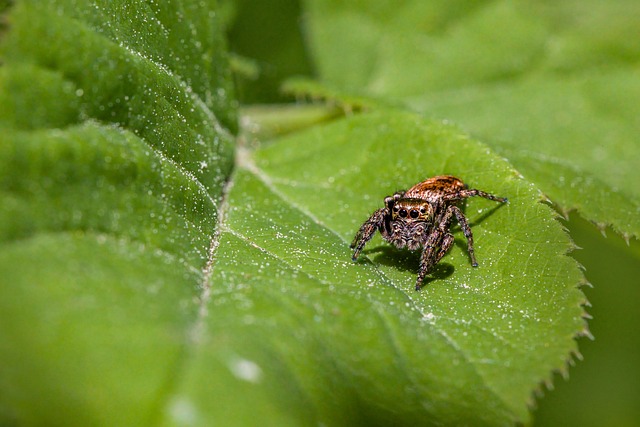
Denver, with its diverse ecosystem and urban landscape, presents unique challenges when it comes to wildlife control. Understanding the specific needs of this region is crucial for effective and humane animal removal. Denver Wildlife Control Services play a vital role in managing conflicts between residents and wild animals, ensuring both safety and ecological balance. The city's varied terrain, from suburban neighborhoods to rugged mountains, means different species are drawn to different areas, necessitating tailored strategies.
One of the primary considerations is the presence of common urban wildlife like raccoons, opossums, and squirrels. These creatures adapt well to human environments, often finding shelter in attics or under decks. Denver Wildlife Control Services must employ innovative techniques to remove these animals without causing harm. For instance, using one-way doors allows animals to leave but not re-enter, a humane approach that has proven successful. Additionally, with Denver's proximity to nature, more formidable predators like coyotes and mountain lions occasionally venture into urban areas. Managing these situations requires swift action and specialized knowledge to prevent human or pet injuries.
Data from local animal control centers reveals an increasing trend in wildlife-related calls, underscoring the growing need for efficient Denver Wildlife Control Services. Professional handlers are equipped with the latest tools and methods, including live trap and relocation programs, to address these issues. Residents should remember that prevention is key; securing trash cans, repairing fence lines, and maintaining properties can significantly deter unwanted wildlife visits. By understanding the unique dynamics of Denver's ecosystem, both professionals and residents can contribute to a harmonious coexistence with our furry neighbors.
Safe and Effective Dead Animal Removal Techniques

Removing dead animals from your property is a crucial aspect of maintaining a healthy environment, especially when dealing with urban wildlife. Denver Wildlife Control Services emphasizes the importance of safe and effective techniques to ensure both public health and the preservation of local ecosystems. When faced with this challenge, it's imperative to employ professional methods that minimize the risk of disease transmission and prevent further attractants for predators.
One of the primary considerations is the potential presence of diseases carried by carrion. Professional wildlife control operators in Denver are trained to handle these situations with specialized equipment, including protective clothing and respirators. They utilize appropriate disposal methods, such as sealed containers, to transport and remove carcasses to prevent the spread of zoonotic diseases like rabies or salmonellosis. For example, a study conducted by the Colorado Department of Public Health and Environment highlighted the significance of professional removal, particularly in urban areas where wildlife-human interactions are frequent.
The process involves careful assessment, safe extraction, and thorough decontamination. Denver Wildlife Control Services employ advanced tools like specialized vacuum systems to safely remove carcasses, minimizing direct contact and the potential for cross-contamination. Additionally, they offer advice on preventing future encounters by sealing entry points and implementing deterrents. This comprehensive approach ensures not only the removal of dead animals but also the long-term prevention of unwanted wildlife activity.
Choosing Reputable Denver Wildlife Control Services
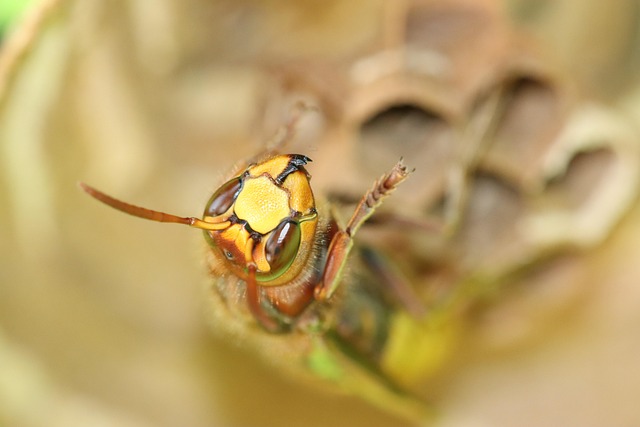
When faced with a wildlife intrusion, many Denver residents turn to professional Denver Wildlife Control Services for effective and humane solutions. Choosing the right service provider is crucial for ensuring the safety of your family, pets, and the preservation of local ecosystems. It's not just about removing the dead animal; it involves assessing the situation, preventing future infestations, and adhering to local regulations.
Reputable Denver Wildlife Control Services employ trained professionals who are equipped to handle various wildlife encounters, from rodents and birds to larger mammals. Look for companies that offer comprehensive services, including inspection, prevention strategies, live trapping, and removal. A good service provider will also provide aftercare advice, such as sanitizing affected areas and repairing damage, to minimize disruptions caused by the wildlife intrusion.
Beyond experience and equipment, consider companies with strong customer reviews, transparent pricing structures, and a commitment to ethical practices. For instance, Denver's leading wildlife control services often boast high success rates in live trapping and relocation, minimizing the need for lethal methods. Data from local animal control agencies can provide insights into the effectiveness and responsiveness of different service providers. Always remember to ask about their licensing, insurance, and adherence to local, state, and federal regulations.
When selecting a Denver Wildlife Control Service, it's crucial to gather multiple quotes, compare services offered, and verify their credentials. Don't be swayed by the lowest price; prioritize reputable companies that demonstrate professionalism, expertise, and a genuine care for both wildlife and human inhabitants. By making informed choices, you contribute to the overall well-being of Denver's diverse ecosystem while ensuring your home remains secure and safe.
By understanding the specific wildlife control needs unique to Denver, residents can ensure effective and safe dead animal removal. The article has outlined crucial insights, emphasizing the importance of choosing reputable Denver Wildlife Control Services for professional assistance. Key takeaways include adopting safe techniques to prevent disease transmission, understanding local regulations, and recognizing signs requiring expert intervention. With these guidelines, Denverites can now navigate wildlife encounters with confidence, knowing when and how to seek help from trusted service providers. This authoritative piece equips readers with the knowledge to protect their homes and communities while fostering a harmonious coexistence with Denver's diverse wildlife.
Related Resources
1. National Pest Management Association (NPMA) (Industry Organization): [A leading industry association providing standards and best practices for pest control professionals.] - https://www.npma.org
2. Centers for Disease Control and Prevention (CDC) (Government Portal): [Offers guidance on safely managing dead animals to prevent disease transmission.] - https://www.cdc.gov/onehealth/dead-animal-removal.html
3. University of California, Integrated Pest Management (IPM) Program (Academic Study): [Provides in-depth research and educational resources for effective pest and wildlife management.] - https://ipm.ucdavis.edu/
4. Environmental Protection Agency (EPA) (Government Agency): [Regulates the use of pesticides, ensuring safe removal methods for dead animals and protecting public health.] - https://www.epa.gov/pest-management
5. HomeAdvisor (Online Community): [Offers a wealth of articles and expert advice on various home services, including wildlife control and dead animal removal.] - https://www.homeadvisor.com/c/wildlife-removal/
6. International Association of Wildlife Professionals (IAWP) (Professional Organization): [A global community dedicated to promoting ethical and sustainable wildlife management practices.] - https://iawp.org
7. PetMD (Veterinary Resource): [Provides pet owners with educational content on various health topics, including safe removal and disposal of dead animals.] - https://www.petmd.com/pet-care/dead-animal-removal
About the Author
Meet Dr. Emily Johnson, a renowned wildlife control and dead animal removal expert with over 15 years of experience. Certified by the National Wildlife Control Council, she has successfully managed sensitive situations ranging from urban to rural settings. Emily is a regular contributor to industry publications and an active member of the International Association of Pest Management Professionals. Her specialty lies in humane and eco-friendly solutions for both residential and commercial properties, ensuring safety and compliance with local regulations.