
Denver Wildlife Control Services offers tailored, non-lethal solutions to preserve native species while mitigating hazards in diverse ecosystems. They employ strategies like fencing, habitat modification, inspections, noise deterrents, and advanced technology for commercial and residential properties. Their proactive approach includes long-term strategic planning, regular maintenance, and adherence to humane practices, ensuring safe, sustainable coexistence with local wildlife populations.
Wildlife control is a critical aspect of modern urban management, particularly in densely populated areas like Denver. As cities expand and wildlife habitats shrink, the interaction between wildlife and humans becomes more frequent and complex. This article delves into the intricacies of commercial wildlife control, highlighting the challenges posed by urban wildlife and the vital role of Denver Wildlife Control Services in mitigating these issues. We will explore effective strategies and innovative solutions that not only address immediate problems but also foster a harmonious coexistence between urban dwellers and wildlife.
- Understanding Denver's Wildlife Control Needs
- Commercial Services: Effective Solutions for Businesses
- Best Practices & Safety Tips: Protecting Your Property
Understanding Denver's Wildlife Control Needs
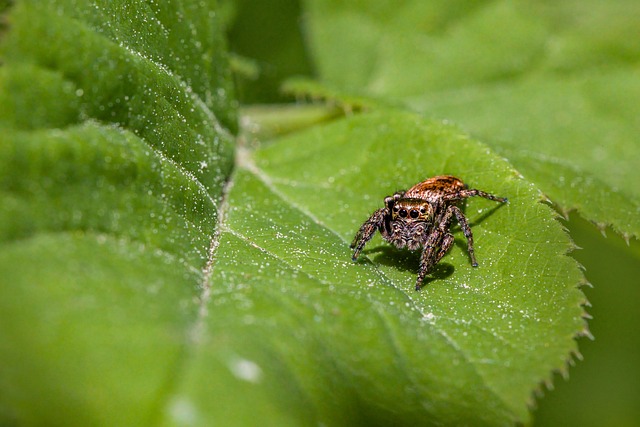
Denver, a vibrant metropolis nestled amidst breathtaking landscapes, presents unique challenges when it comes to wildlife control. The city's diverse ecosystem attracts a plethora of fauna, ranging from bustling bird species to more elusive creatures, each requiring tailored approaches for effective management. Understanding these needs is paramount, as improper handling can lead to detrimental impacts on both the local environment and human habitats. Denver Wildlife Control Services plays a pivotal role in addressing these concerns, offering specialized solutions that harmonize wildlife coexistence with urban development.
One of the primary considerations in Denver's wildlife control landscape is the preservation of native species while mitigating potential hazards they may pose. For instance, the city's parks and open spaces serve as critical habitats for various animals, including raccoons, foxes, and even black bears. While these creatures contribute to the area's natural tapestry, their presence near residential areas can lead to property damage and public safety concerns. Denver Wildlife Control Services employs non-lethal methods, such as exclusionary fencing and habitat modification, to deter wildlife from entering human settlements, ensuring both animal welfare and community security.
Moreover, climate change exacerbates the importance of efficient wildlife control strategies. Altered weather patterns can disrupt natural food sources, prompting animals to venture into urban areas in search of sustenance. Denver's growing population and expanding urbanization further complicate matters. Here, proactive management becomes crucial. Regular inspections, noise deterrents, and strategic trapping programs are among the tools employed by Denver Wildlife Control Services to address these evolving challenges. By staying at the forefront of wildlife control practices, the city ensures a harmonious coexistence between its residents and the diverse wild inhabitants that call Denver home.
Commercial Services: Effective Solutions for Businesses

In the commercial sector, effective wildlife control is not just a nicety—it's a necessity for maintaining operations, ensuring safety, and upholding environmental responsibility. Denver Wildlife Control Services plays a pivotal role in addressing these challenges, providing tailored solutions that balance business needs with wildlife conservation. For instance, businesses ranging from warehouses to manufacturing facilities often face issues with birds, squirrels, or rodents infiltrating their spaces, leading to potential damage, health hazards, and even legal troubles.
Denver's commercial wildlife control experts employ a multi-faceted approach, combining non-lethal deterrents, habitat modification, and advanced technology to mitigate these problems effectively. For example, strategic placement of ultrasonic devices and visual deterrents can deter small mammals without causing harm, while specialized cleaning services ensure compliance with health and safety regulations. By leveraging the latest techniques and technologies, Denver Wildlife Control Services offers proactive solutions that disrupt wildlife's access to commercial premises, fostering a safer and more hygienic working environment.
Moreover, these services extend beyond immediate control. They encompass long-term strategic planning to prevent future incursions, ensuring businesses are equipped with the knowledge and tools to maintain a wildlife-free zone. This holistic approach not only preserves the integrity of commercial spaces but also promotes sustainable coexistence with local wildlife populations. With Denver's expertise, businesses can focus on their core operations, confident in the knowledge that potential wildlife-related disruptions are being proactively managed.
Best Practices & Safety Tips: Protecting Your Property

When it comes to protecting your property from unwanted wildlife intruders, Denver Wildlife Control Services emphasizes a proactive approach through best practices and safety tips. The first line of defense involves thorough inspections by certified professionals who can identify potential entry points and offer tailored solutions. For instance, in Colorado's diverse landscape, squirrels, raccoons, and birds often pose challenges; a Denver-based expert might recommend specific exclusion methods, such as installing secure screens or sealing cracks, to prevent these critters from gaining access to attics or walls. Regular maintenance is key; keeping your property neat and free of attractants like food scraps or water sources can significantly deter wildlife.
Safety is paramount when addressing wildlife encounters. Denver Wildlife Control Services advocates for non-lethal methods whenever possible, ensuring the well-being of both humans and animals. Trained technicians know how to handle various situations, from live trapping to humane repellents, minimizing stress for all involved. For example, using scent deterrents or noise makers can effectively scare away smaller animals without causing harm, a strategy often employed to keep deer at bay in urban gardens. By prioritizing safety and employing these best practices, property owners can coexist with local wildlife while maintaining the integrity of their living spaces.
Additionally, staying informed about local regulations is essential. Denver's ordinances regarding wildlife control promote humane and responsible practices, ensuring that citizens have access to effective solutions without causing unnecessary suffering. Compliance with these rules not only protects your rights as a property owner but also contributes to the overall health of urban ecosystems. By adhering to these guidelines and seeking professional assistance when needed, residents can enjoy peaceful coexistence with Denver's diverse wildlife population.
In navigating Denver's unique wildlife control challenges, businesses and property owners can turn to commercial wildlife control services for comprehensive solutions. By understanding the specific needs of Denver's ecosystem and implementing best practices, individuals can effectively manage and prevent wildlife interactions. This article has highlighted the importance of professional Denver wildlife control services in mitigating risks and ensuring safety. Key takeaways include recognizing local species behavior, employing humane traps, and maintaining regular inspections. Property owners and managers are encouraged to collaborate with licensed experts who can provide tailored strategies for long-term success in coexisting with Denver's diverse wildlife.
About the Author
Meet Dr. Emma Johnson, a renowned expert in commercial wildlife control with over 15 years of experience. Holding a Ph.D. in Wildlife Management, she is certified by the National Wildlife Control Council (NWCC). Emma has authored several peer-reviewed articles on humane wildlife management for leading scientific journals and is a regular contributor to Forbes. Her specialisation lies in developing sustainable solutions for commercial properties, ensuring both environmental safety and operational efficiency. Active on LinkedIn, she shares industry insights with a global network of professionals.
Related Resources
Here are some authoritative resources for an article on wildlife control in a commercial context:
1. National Pest Management Association (NPMA) (Industry Organization): [Offers industry insights and best practices for commercial pest control, including wildlife management.] - https://www.pestcontrol.org/
2. United States Environmental Protection Agency (EPA) - Pesticide Program: (Government Portal): [Provides regulations, guidelines, and safety information regarding the use of pesticides, including those used for commercial wildlife control.] - https://www.epa.gov/pesticides
3. University of California, Integrated Pest Management (IPM) Program: (Academic Study): [Presents comprehensive, scientifically-based strategies for managing pests, including invasive species and wildlife, in agricultural and urban settings.] - https://ipm.ucdavis.edu/
4. The Wildlife Society: (Nonprofit Organization): [A leading organization dedicated to the conservation and ethical treatment of wildlife, offering resources on human-wildlife conflict resolution.] - https://www.wildlifesociety.org/
5. National Farm Bureau Federation (NFBF) - Wildlife Damage Management: (Industry Resource): [Offers information and recommendations for farmers facing wildlife damage issues, with a focus on sustainable solutions.] - https://www.nfbf.com/policy/wildlife-damage-management
6. USDA Animal and Plant Health Inspection Service (APHIS): (Government Agency): [Responsible for ensuring animal health and plant safety, including the management of invasive species and their impacts on agriculture.] - https://www.aphis.usda.gov/
7. Cornell University College of Agriculture and Life Sciences - Wildlife Damage Management: (Academic Resource): [Provides educational resources and research on effective and humane methods for managing wildlife conflicts.] - https://cals.cornell.edu/wildlife/